Cincinnati is one of America's great old-housing cities: census data puts roughly 41% of the city's housing stock at pre-1940, with a median construction year around 1951. We love these houses — the woodwork, the character. Our delivery crews have a more complicated relationship with them, because 1930s doorways were not designed for 2026 sectionals. After thousands of deliveries into Clifton four-squares, Price Hill hillside homes and Norwood foursquares, here's the fit guide that prevents heartbreak.
The three measurements that decide everything
- •Narrowest doorway on the route — old Cincinnati interior doors often run 28–30 inches, versus 32–36 in new builds.
- •The stair turn — measure the diagonal clearance at the landing; this is where big sofas go to be defeated.
- •Ceiling height over the stairs — hillside homes and finished attics hide low spots that block tall headboards and box springs.
What fits old houses (from people who carry it)
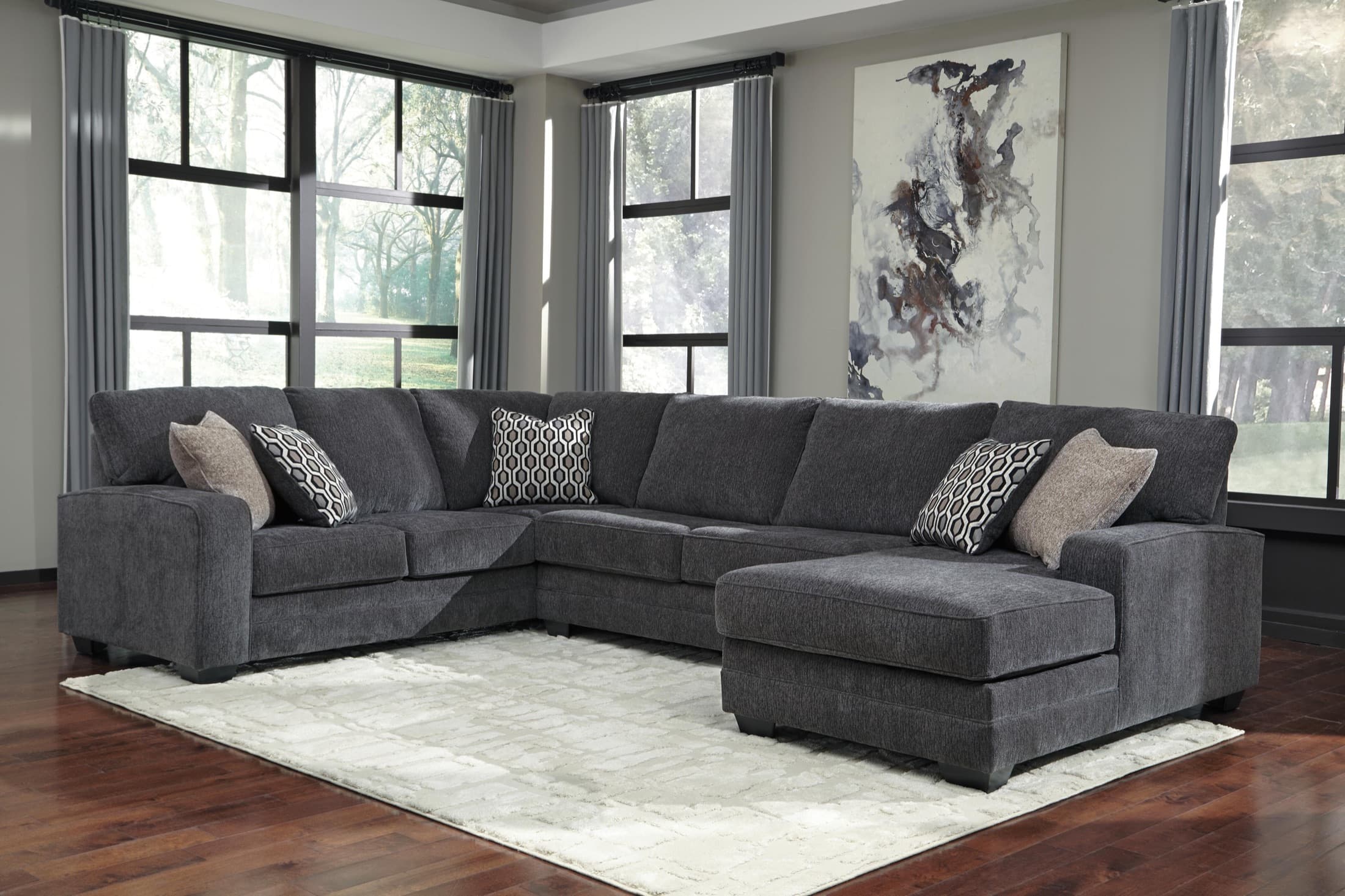
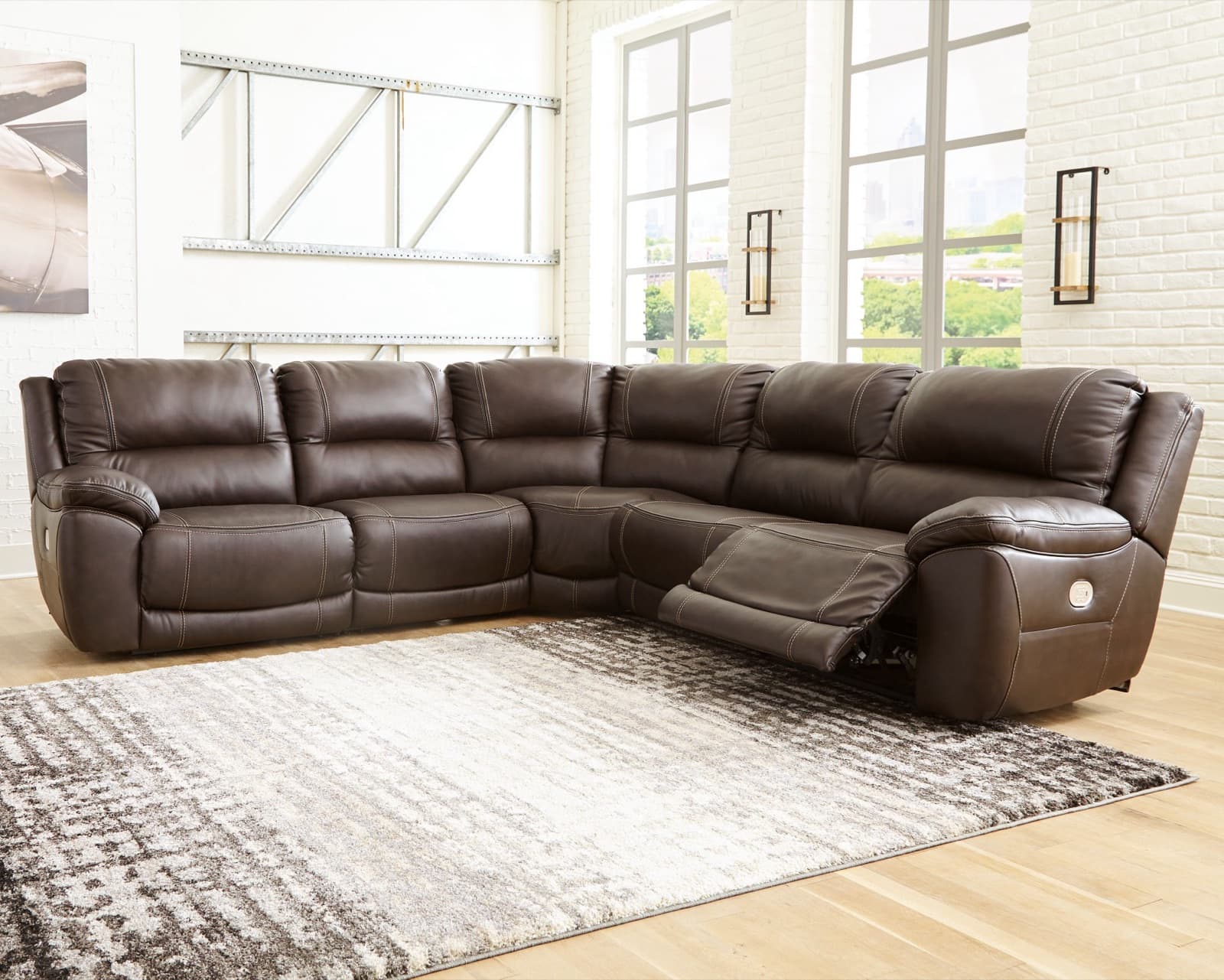
- •Modular sectionals — pieces like The Roselawn arrive as separate sofa, armless loveseat and ottoman that build into a sectional INSIDE the room. The doorway only ever sees one piece at a time.
- •Low-profile and detachable-leg sofas make the stair turn that one-piece giants can't.
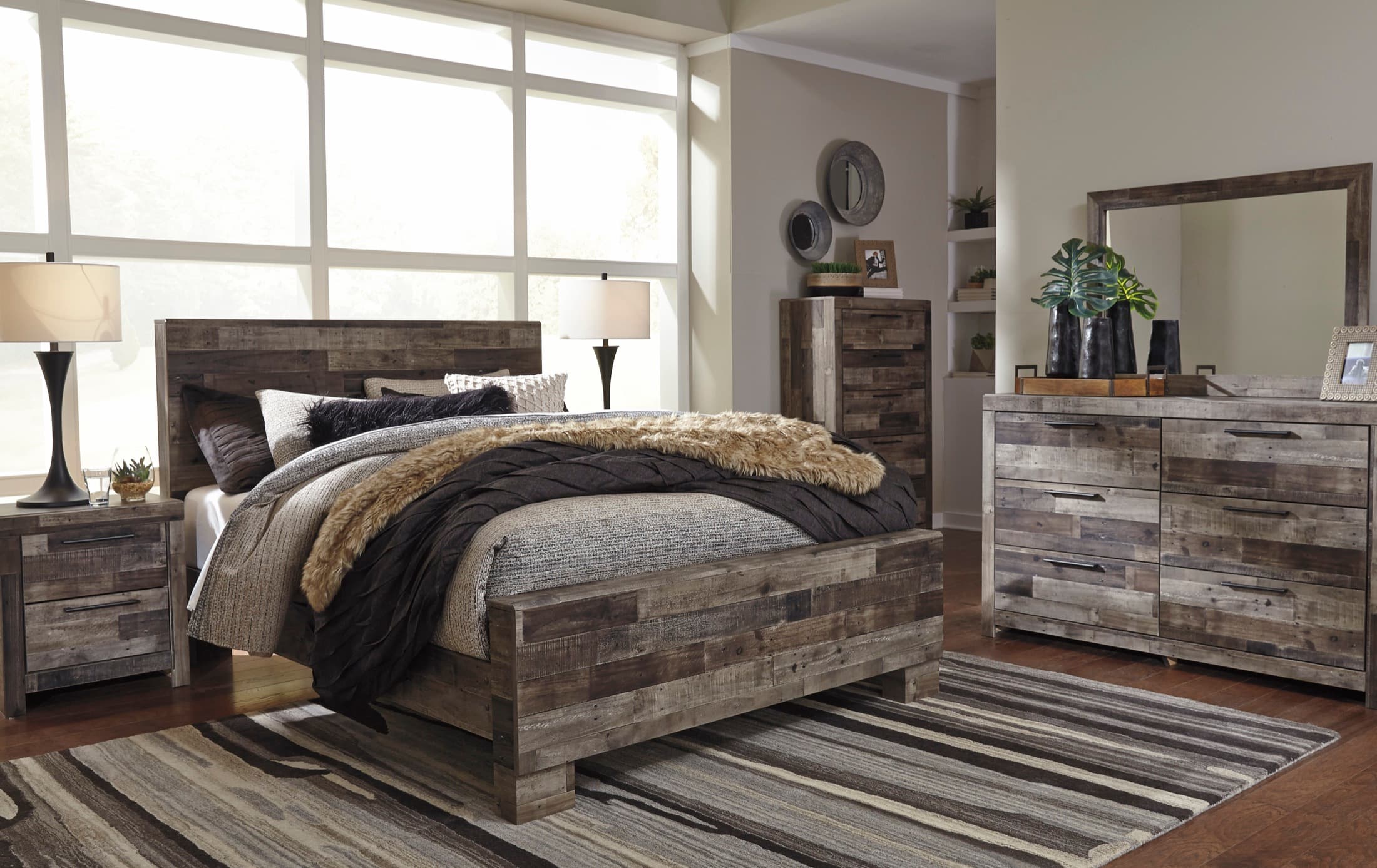
- •Split foundations instead of one-piece box springs for any upstairs bedroom.
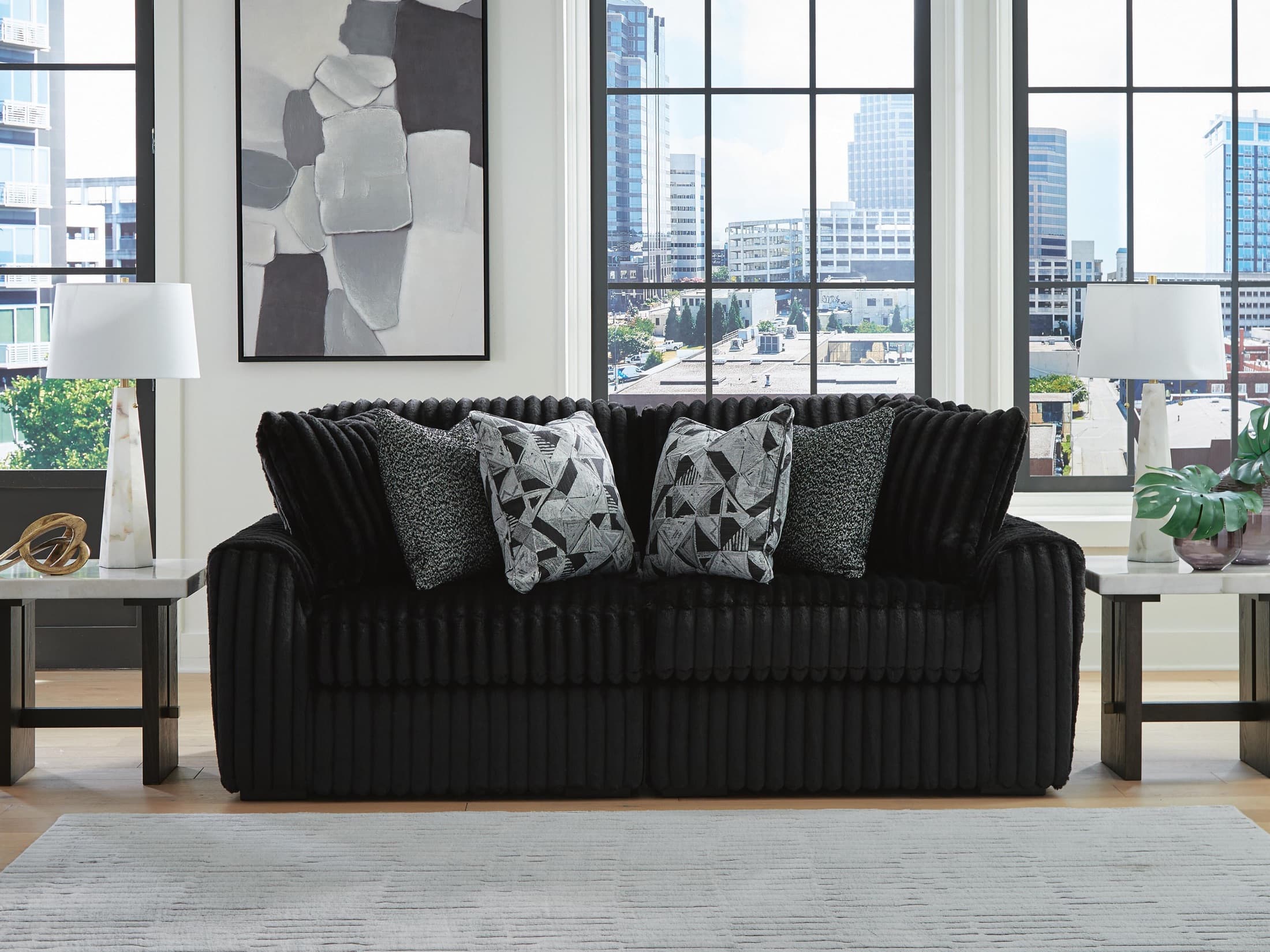
- •Apartment-scale sofas (72–80 inches) fit 1930s living rooms better than 96-inch showpieces — and look better in them too.
Use the crew's brain before you buy
Every product page on our site lists dimensions. Text us a photo of your doorway or staircase with a tape measure in frame — (513) 429-5011 — and the people who will actually carry the piece will tell you straight whether it makes the turn. That's a service no website checkout can offer, and it's free. It's also why same-day delivery into 100-year-old houses is routine for us and a horror story elsewhere.
Old house? We know the way in.
Shop pieces that fit