The mattress industry loves complexity — cooling gels, zoned lumbar technology, sleep trials with asterisks. After years of selling mattresses to Cincinnati families, we'll let you in on the honest version: how you sleep decides your firmness, your firmness narrows it to a handful of options, and ten minutes of actually lying down does the rest.
Start with how you sleep
- •Side sleepers: medium to medium-soft — your shoulder and hip need somewhere to go.
- •Back sleepers: medium-firm — enough support to keep your spine level.
- •Stomach sleepers: firm — anything soft folds your back like a taco.
- •Combination sleepers and couples: medium-firm memory foam or hybrid splits the difference and kills motion transfer.
Foam, hybrid, or innerspring — the honest difference
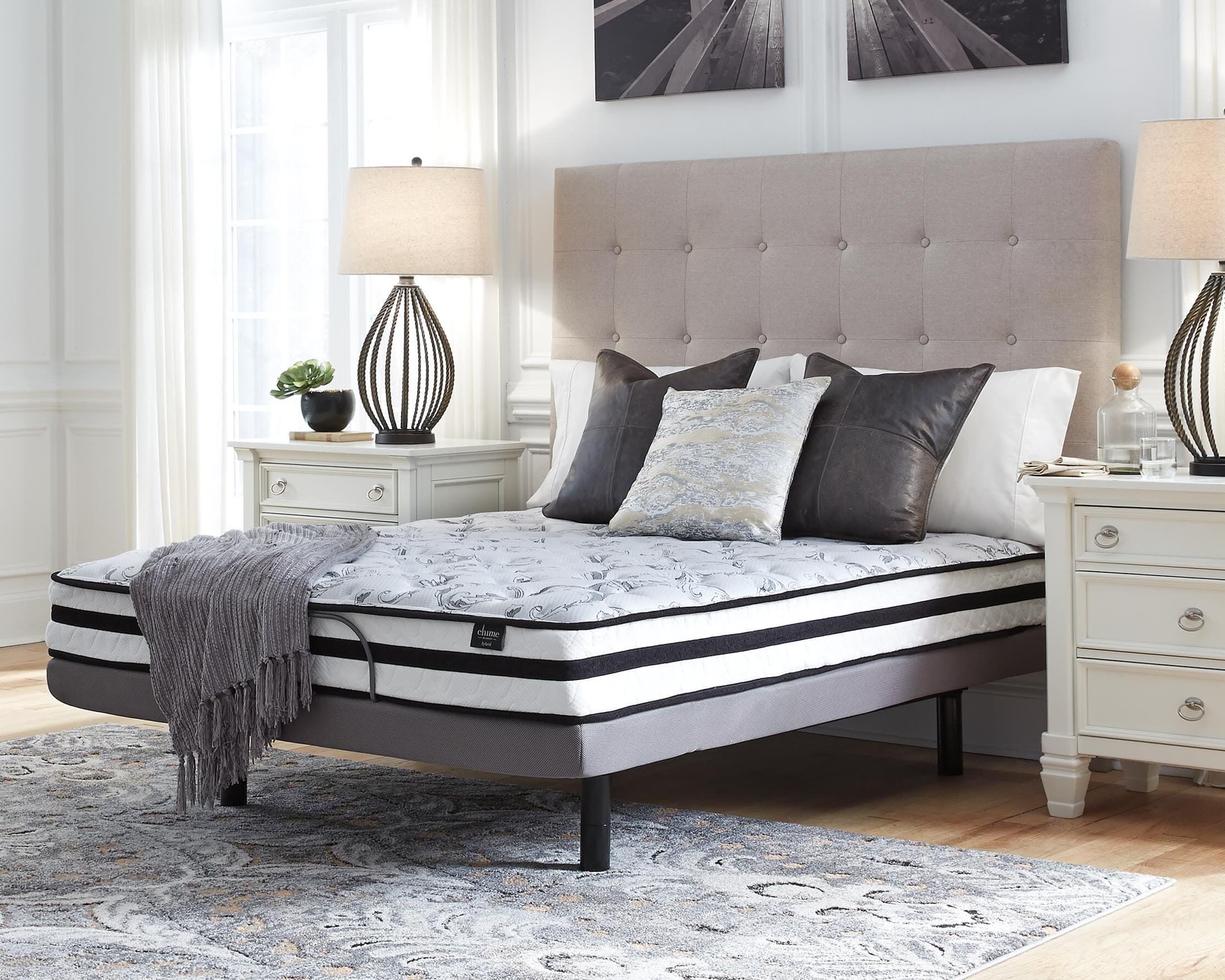
Memory foam hugs and isolates motion (great for couples, warm for hot sleepers). Innerspring bounces and breathes (cooler, more traditional feel). Hybrids do both and cost a bit more. None of them is 'best' — there's only best for how you sleep. A mattress-in-a-box like our 10-inch Chime line is a legitimately good budget answer, and anyone who tells you a good night's sleep requires four figures is selling you the pitch, not the mattress.
The 10-minute test
In the store, lie down in your actual sleeping position for a full two minutes per mattress — not a polite sit-and-bounce. Bring your partner if you share the bed. You'll eliminate most options fast, and the right one is usually obvious by the third try. That's the whole secret; it just requires a store that lets you take your time, which is exactly what ours is for.
Don't forget the kid math
Kids outgrow beds on a schedule. A quality twin or full with a no-credit-needed payment plan beats stretching for a 'forever' mattress they'll outgrow in five years. We'll always tell you when the cheaper option is the smarter one — that's the family-store difference.
Ten honest minutes beats a two-hour pitch.
Shop mattresses