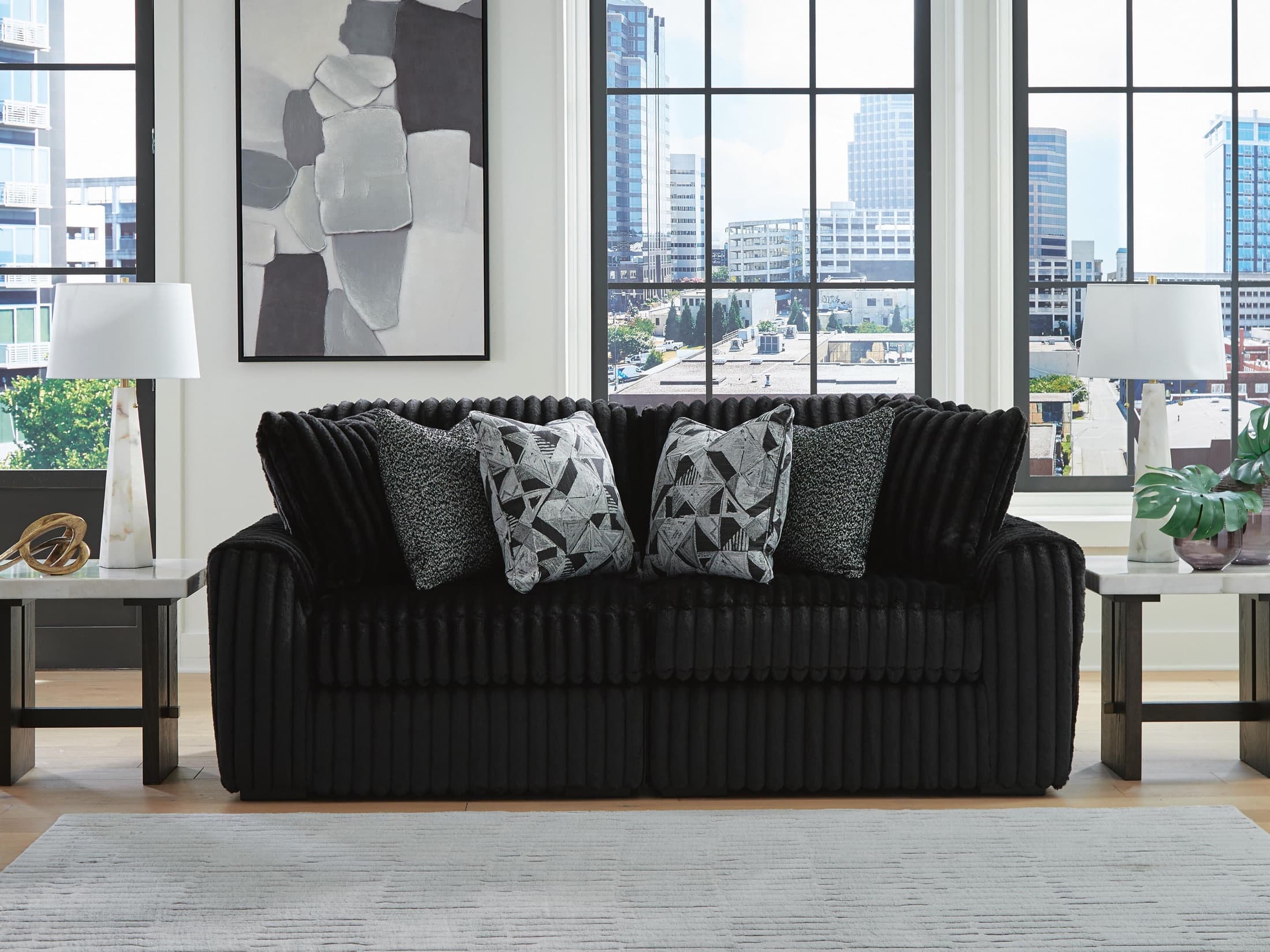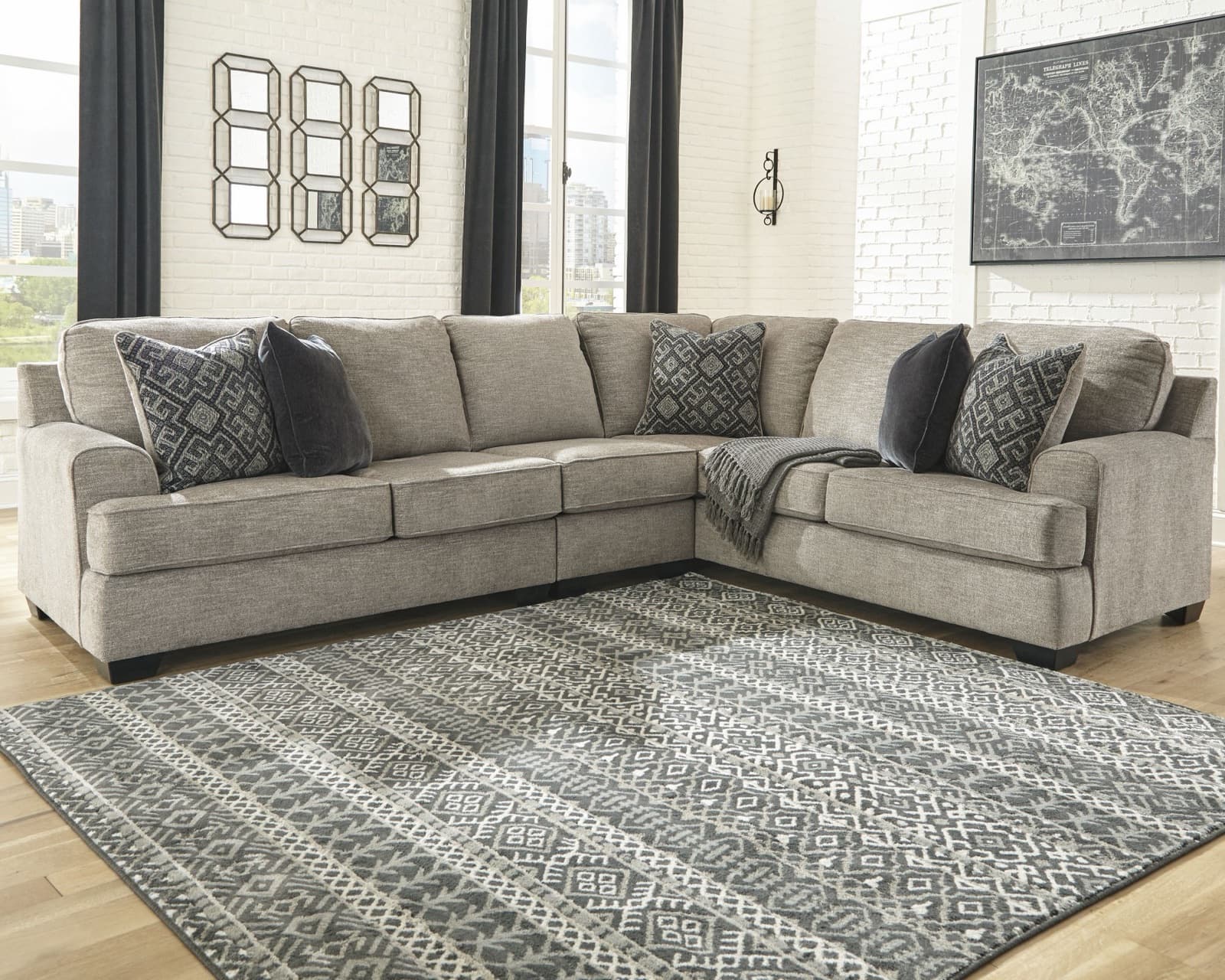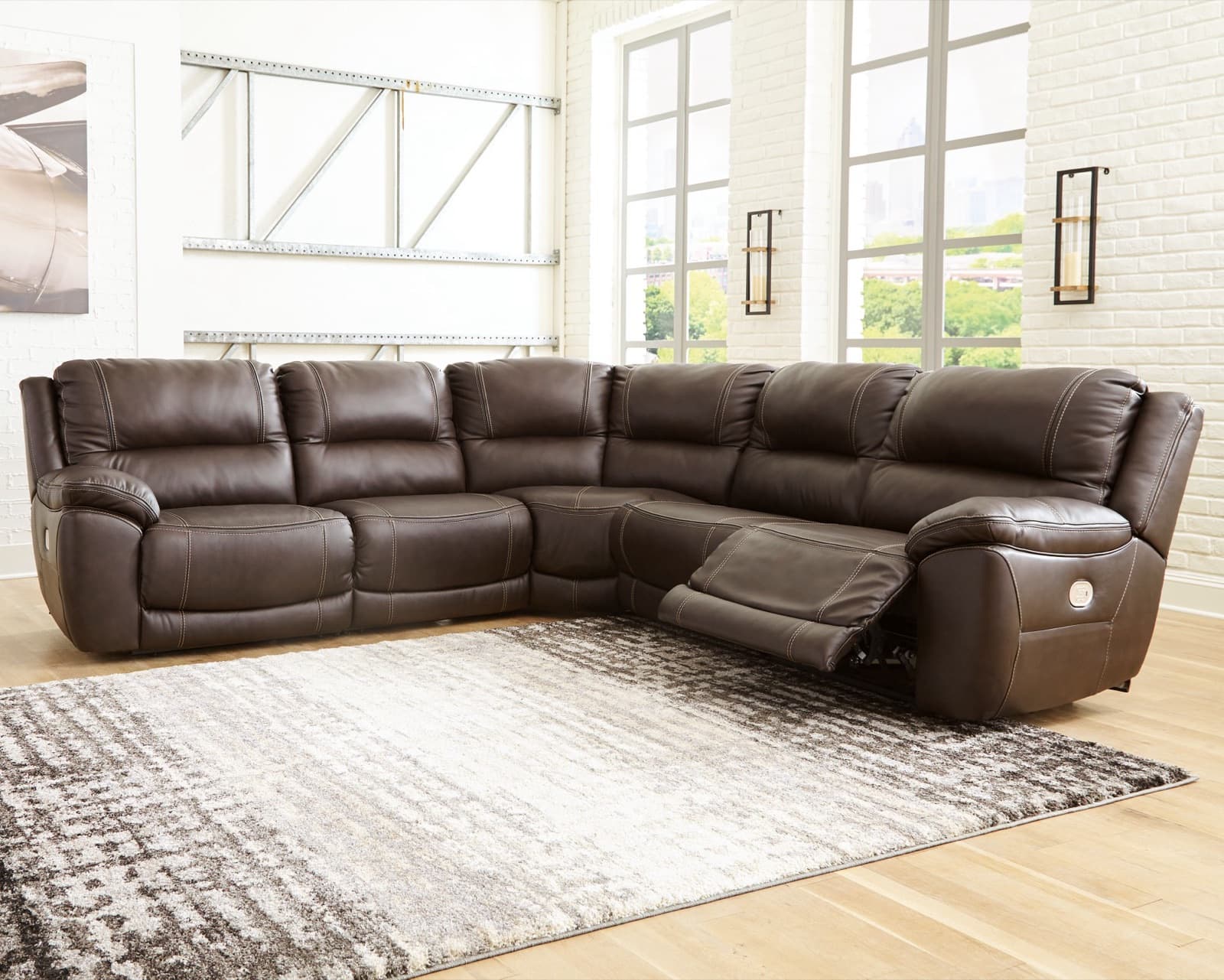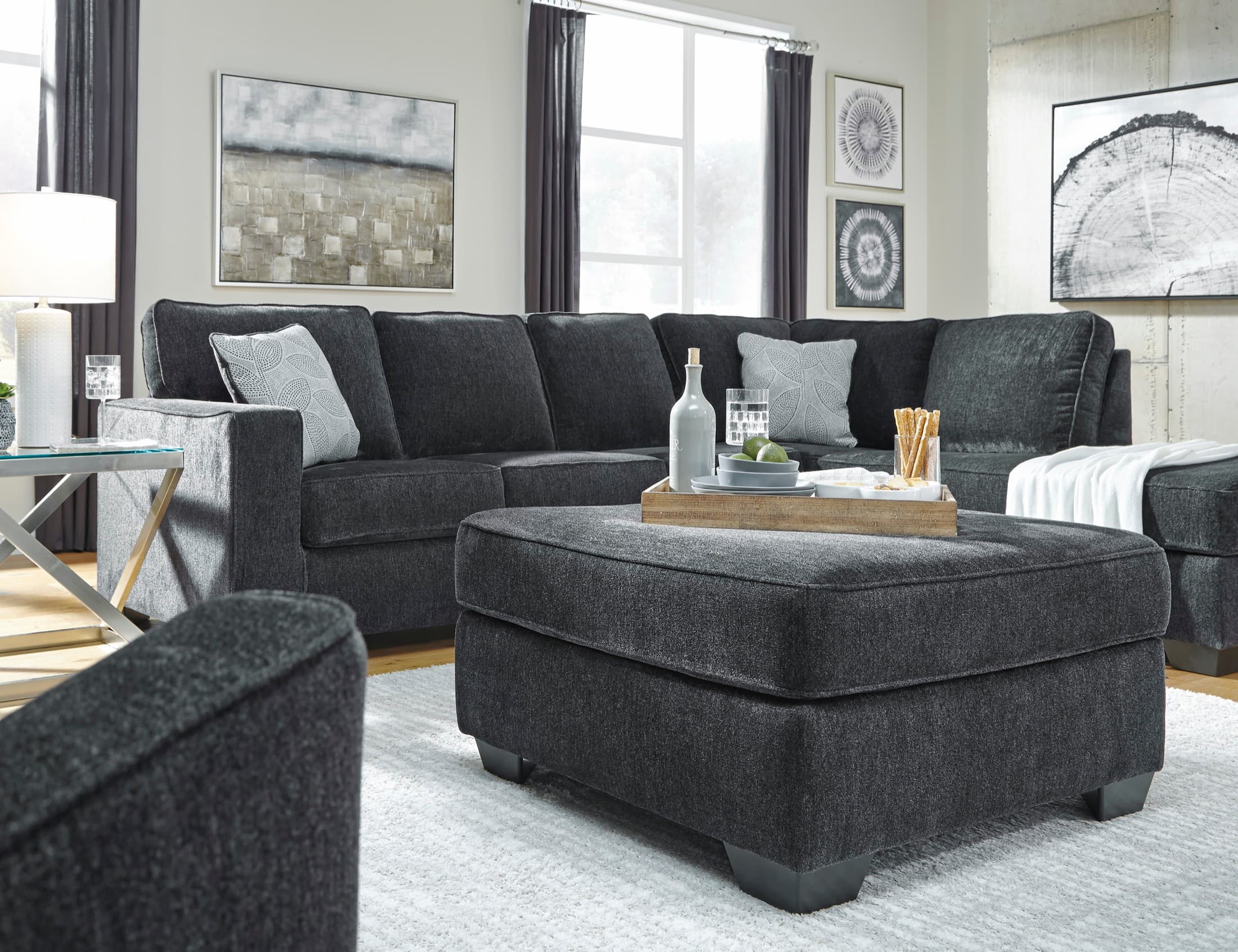
This is the question we get more than almost any other on the floor: what couch material actually survives a dog or a cat? People usually arrive having already read that leather is indestructible and microfiber is a miracle, and neither is quite true. Here's the honest version from a family that sells this furniture and lives with pets too.
First: claws and shedding are two different problems
Almost every bad pet-couch decision comes from solving the wrong one. Cats are a claw problem — they seek out texture to hook into. Dogs are usually a shedding, oil and dirt problem, plus weight and abrasion on the seat edge where they climb up. A fabric that's brilliant for one can be the worst possible choice for the other, so figure out which fight you're in before you shop.
The rule that matters most: tight weave beats everything
If you remember one thing, remember this. A tightly woven, flat fabric gives claws nothing to catch. A loose or looped weave gives them a ladder. This single property predicts pet durability better than fiber content, brand, or price — we've seen expensive couches shredded and budget ones survive three cats, and the weave is usually the difference.
Never buy a bouclé or looped weave if you have a cat
Bouclé is the most fashionable upholstery of the last few years and it is the worst possible cat fabric ever made. It's built entirely from little loops — which is precisely what a claw is designed to hook and pull. One snag pulls a thread, and the pull runs. Same warning for chenille and any nubby, textured weave. If you love the bouclé look and own a cat, we'd rather tell you now than sell it to you.
Performance fabric: the actual answer for most pet owners
Performance fabrics (you'll see names like Revolution, Crypton, and various solution-dyed polyester and olefin blends) have the color built into the fiber itself rather than dyed onto the surface. That means most spills lift with water and a cloth, and the fabric can take real cleaning without going blotchy. They're woven tight, they don't hold odor the way natural fibers do, and they've stopped feeling like outdoor furniture — the current generation is genuinely soft. For a household with a shedding dog and kids, this is where we point people first.
Microfiber and micro-suede: good, with one caveat
Microfiber earned its reputation honestly. The fibers are packed so densely that liquid sits on top long enough to blot, hair lifts off with a rubber glove or a lint roller, and claws mostly slide off instead of catching. The caveat: it shows water marks and body oil on darker colors, and a dog that sleeps in the same spot every night will eventually leave a shiny patch there. Mid-tone colors and a washable throw over the favorite spot solve most of it.
Leather: excellent for dogs, a gamble with cats
For a dog, real leather is close to ideal — hair doesn't weave into it, it wipes clean, it doesn't absorb odor, and it ages into something that looks better with wear. For a cat, it's a real gamble: leather resists snagging but not puncture, and claw marks in leather are permanent in a way that a fabric snag isn't. Also know the difference between top-grain leather and bonded leather. Bonded is ground-up leather scrap glued to a backing, and it peels — with pets it peels faster. If leather is the plan, buy top-grain.
What to avoid outright
- •Bouclé, chenille and any looped or nubby weave — a cat will find every loop.
- •Linen and cotton in light colors — beautiful, absorbent, and they stain permanently.
- •Velvet with a long pile — it holds hair like a magnet and crushes where a pet lies.
- •Bonded leather at any price — it peels, and pets accelerate it.
- •Loose slipcovers as a durability plan — they solve washing, not claws.
Three things that matter as much as the fabric
Color: match the couch roughly to your pet, not to your rug. A charcoal couch under a golden retriever is a full-time job. Cushion covers: removable, zippered cushion covers mean one accident costs you one cover, not the couch. Frame and cushion density: a dog that launches onto the same corner twice a day is a structural problem, not a fabric one — a firm, high-density cushion and a hardwood frame will hold that shape years longer than soft down-blend fill.
How to check any couch in about thirty seconds
Run a fingernail firmly across the fabric against the grain. If it catches, snags, or lifts a loop, a claw will do far worse. Then press the fabric flat and look at it against the light — you want to see a tight, even weave with no gaps. Finally, unzip a cushion if the store lets you, and check for foam wrapped in batting. Any showroom that won't let you do all three is telling you something.
We keep the fabric content listed on every piece in our catalog, and if you tell us it's for a house with a shepherd and two cats, we'll walk you straight past the bouclé. Come do the fingernail test on our floor — it's a lot more convincing in person.
See what's on the floor right now in Cincinnati — bring the pet questions with you.
Shop couches & sofas