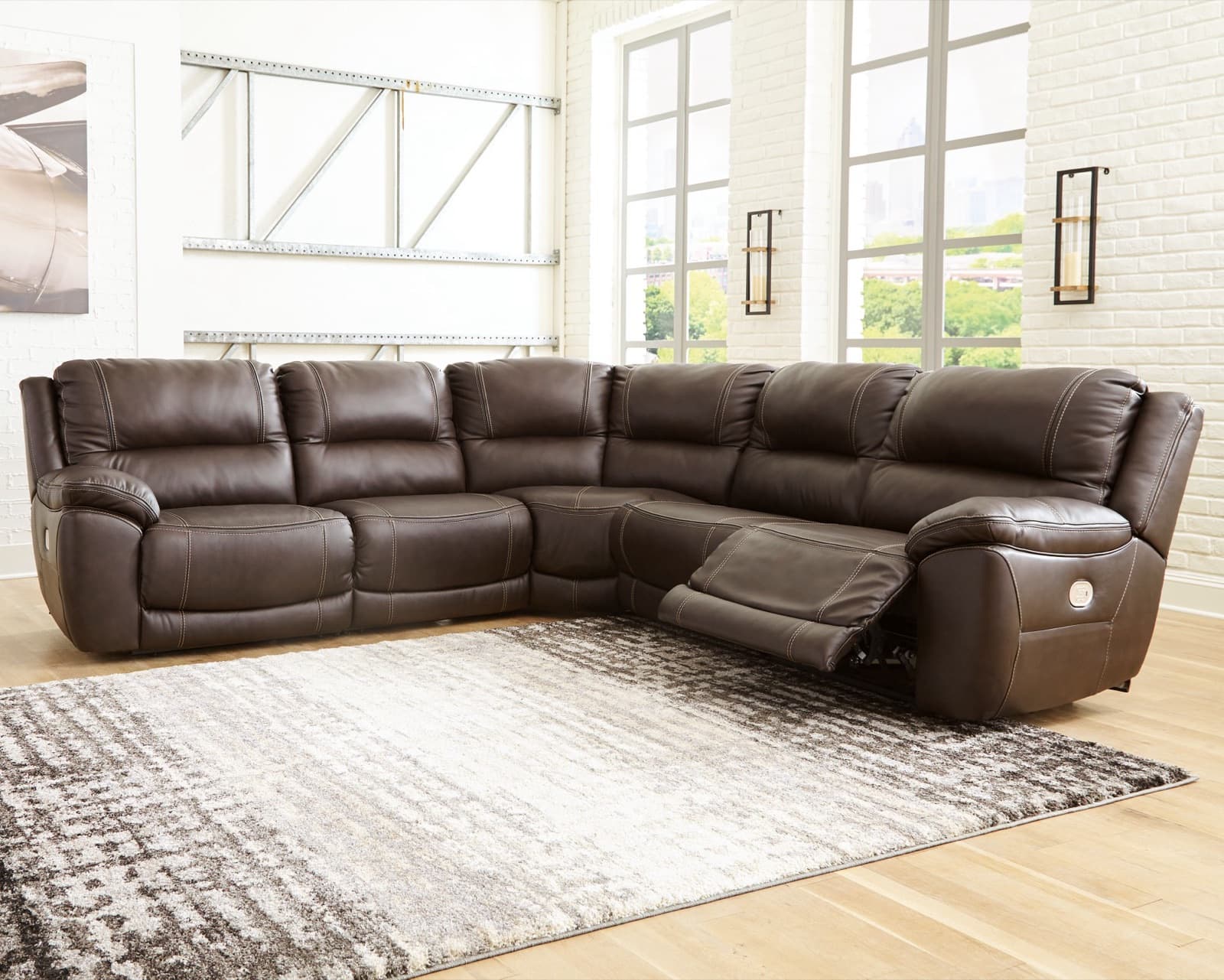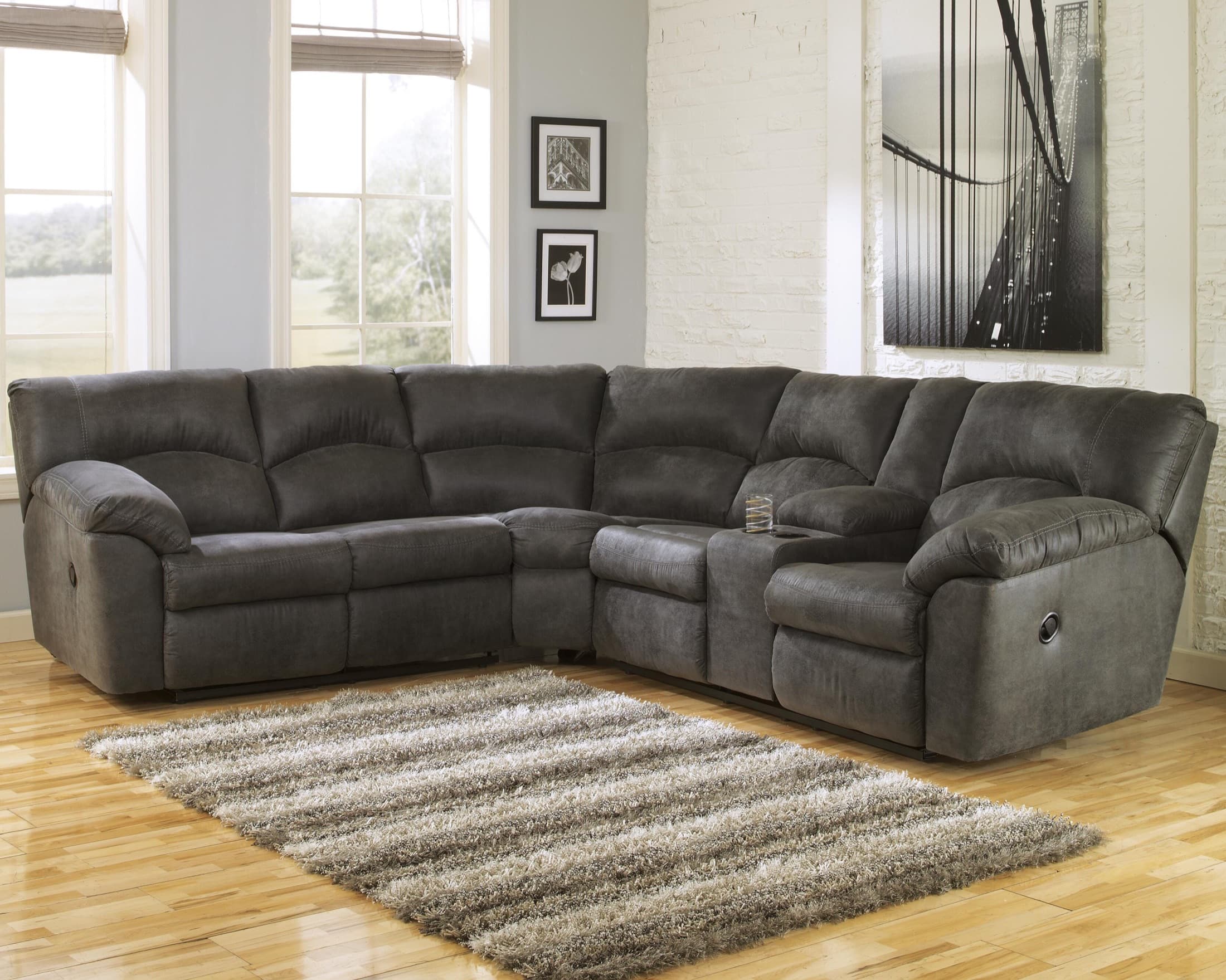
A recliner is the most personal piece of furniture in the house. Nobody else is going to sit in it, and you are going to sit in it every day for ten years. That makes "recliner chair" one of the few furniture purchases where you should never buy without sitting first. Here is how to choose, from a Cincinnati store that sells hundreds of them.
Power recliner vs manual recliner
A manual recliner uses a side handle or a push-back mechanism; you pull the lever and kick out the footrest. It is cheaper, never needs an outlet, and has fewer parts to fail. A power recliner uses a motor and a button, stops at any angle instead of two or three preset positions, and often adds a power headrest and lumbar. If you have any shoulder, back or hand issues, or anyone over 65 is using the chair, go power. The only real downsides are needing an outlet within cord reach and a slower return when you want to get up fast. Battery packs exist for chairs that float in the middle of a room.
Rocker, swivel, glider, wall-hugger: what the words mean
- •Rocker recliner: rocks when upright, reclines when you want. The nursery chair and the favorite of anyone who fidgets.
- •Swivel recliner: rotates on a round base. Great in a corner or a room where you want to turn toward the TV, then toward the conversation.
- •Swivel rocker recliner: both. The most popular combination we sell.
- •Glider recliner: moves forward and back on a flat track instead of arcing. Smoother and quieter than a rocker, easier on hardwood floors.
- •Wall-hugger (wall-saver, zero-wall) recliner: slides forward as it reclines, so it needs only 4 to 6 inches behind it. A standard recliner needs 12 to 18 inches of wall clearance to open fully.
- •Lift chair recliner: a power recliner that also tilts forward and up to stand you on your feet. Covered below.
The clearance number nobody mentions
A recliner that is 38 inches deep sitting upright can be 66 to 70 inches long fully reclined. Plan the space: the chair's upright depth, plus the wall clearance it needs behind it (12 to 18 inches for a standard mechanism, 4 to 6 for a wall-hugger), plus where the footrest lands in front. In a small Cincinnati living room a wall-hugger is often the only recliner that fits without blocking the walkway. Browse recliners with depth listed on each.
How to size a recliner to your body
- •Seat height: with your feet flat on the floor, your knees should bend at about 90 degrees. Around 19 to 21 inches suits most adults; shorter people want 17 to 18.
- •Seat depth: sit all the way back. Two to three fingers should fit between the seat edge and the back of your knee. Too deep and your feet dangle; too shallow and your thighs float.
- •Headrest: when reclined, the headrest should meet the back of your head, not your neck. Tall people (over 6 feet) need a tall-back recliner.
- •Oversized recliner: wider seat (24-plus inches), higher weight rating (often 350 to 500 pounds), sturdier mechanism. Also the right pick for two people who share a chair with a kid or a dog.
- •Arm height: elbows should rest without shrugging. Pay attention if you read or use a laptop in the chair.
Lift chairs: what to know before you buy one for a parent
A lift chair recliner is a power recliner with a second motion: the whole seat tilts forward and rises to bring a person to a standing position with their feet under them. For anyone with knee, hip or balance problems, it can be the difference between living independently and not. Look for a two-motor chair (back and footrest move independently) if the person naps in it, a weight rating with margin, and a backup battery so the chair still lowers in a power outage. Medicare Part B sometimes covers a portion of the lift mechanism itself, not the chair, when a doctor prescribes it; ask the doctor first and keep the paperwork. Sit in it with the person who will use it, every time.
Leather or fabric recliner?
A leather recliner wipes clean, handles spills and stays cool, and top-grain leather wears in beautifully. Avoid bonded leather on a recliner of all things; the seat and arms flex thousands of times a year and bonded leather peels exactly there. A fabric recliner is warmer in winter, softer, and cheaper; pick a tight weave or a performance fabric if pets will share it. Our pet-fabric guide covers the details.
How much space do you need behind a recliner?
A standard recliner needs about 12 to 18 inches between the back of the chair and the wall to recline fully. A wall-hugger or zero-wall recliner slides forward as it opens and needs only 4 to 6 inches, which makes it the right choice for small rooms.
Is a power recliner better than a manual recliner?
Power recliners stop at any angle, often add a power headrest and lumbar, and need no arm strength to operate, which makes them better for anyone with back, shoulder or hand issues or anyone over 65. Manual recliners cost less, never need an outlet, and have fewer parts to fail.
What is a lift chair recliner?
A lift chair is a power recliner whose whole seat tilts forward and rises, gently standing the person up with their feet under them. It is built for people with limited mobility. Look for two motors, a solid weight rating and a battery backup so the chair still lowers during a power outage.
Our Cincinnati store keeps power, manual, rocker, swivel, lift and oversized recliners on the floor so you can sit in every one, and most in-stock chairs go home with same day delivery and $11 down financing. If you are buying for a parent, bring them. Ten minutes in the chair beats an hour of reading.
Sit in it first. Recliners for sale in Cincinnati, delivered today.
Shop recliners